Consumer Goods

Compliance Solutions for the Consumer Goods Industry

Benefit from a unified, data-driven approach to managing corporate compliance, ethics and third-party risk, trusted by leading consumer goods companies.

Ind_Pins_Consumer Goods
Trusted by the world’s leading consumer goods companies

Why leading consumer goods companies rely on GAN Integrity

GAN Integrity is how compliance teams at consumer goods companies get the tools and expertise to stay ahead of risk. With less effort and more reach, you finally get a better way to do your good work.

See everything icon
See everything

Gain a comprehensive view of regulatory risk and compliance in one centralized, easy-to-use platform.

Adapt to anything icon
Adapt to anything

Tailor the platform to your organization, regardless of your tech stack, regions, risk appetite, and other complexities -all without heavy lifting or expense.

Get help icon
Get all the help you need

Receive dedicated support from GAN Integrity's team of experts.

iStock-1908371514
Icon

Compliance challenges for the consumer goods industry

As a compliance professional in the consumer goods industry, you may feel like you’re fighting an unfair fight. You must ensure your company operates in compliance with a wide array of regulations, standards, and guidelines established by regulatory authorities, industry groups, and international bodies. These typically span multiple jurisdictions and involve managing a broad range of risk types.

Whether you’re in durable or non-durable goods, regulations such as the Food Safety Modernization Act (FSMA), EU’s General Product Safety Directive (GPSD), and new regulations such as the German Supply Chain Act (LKsG) and Corporate Sustainability Due Diligence Directive (CSDDD) add to the demands on you and your team, extending risk and compliance obligations beyond the enterprise to include third parties and suppliers.

Key areas of compliance in consumer goods

Consumer goods companies are complex enterprises. There’s many areas of compliance, ethics, and risk that need to be managed, spanning everything from Environmental, Social and Governance (ESG), to Anti-Bribery And Corruption (ABAC). These include:

Supply Chain Due Diligence

Ensuring reliability, traceability, and compliance with laws such as the German Supply Chain Act, CSDDD, and the California Transparency in Supply Chain Act.

ABAC Compliance

Ensuring that anti-bribery and anti-corruption (ABAC) laws and standards are upheld.

Product Safety

Ensuring consumer protection from hazards across multiple product categories and meeting obligations in regulations such as the EU's GPSD.

Data Protection

Safeguarding sensitive information in an increasingly digital landscape and ensuring compliance with data privacy regulations including GDPR and CCPA (California Consumer Privacy Act).

Environmental Compliance and Sustainability

Growing focus on environmental impact pushes regulations towards sustainable packaging, sourcing, and production methods.

Emerging Technologies and Innovation

Navigating the legal and ethical considerations surrounding the development and implementation of emerging technologies such as AI.

Workplace Safety

Implementing standards for a safe working environment.

Labor Laws

Observing fair employment practices and labor standards, global modern slavery, and human rights legislation.

Steps to achieving compliance in
the consumer goods industry

Achieving compliance in any organization involves a series of strategic steps:

01

Risk Assessment

Identify potential compliance risks specific to your consumer goods operations.

02

Objective Setting

Define clear compliance goals that align with your operational objectives.

03

Documentation

Maintain thorough records of compliance efforts and decisions.

04

Training

Educate employees about compliance requirements tailored to the consumer goods industry.

05

Monitoring and Auditing

Regularly review compliance status and adjust practices as needed.

06

Reporting System

Establish clear channels for reporting issues and disclosures.

07

Issue Response

Quickly address non-compliance issues to prevent disruptions.

08

Continuous Improvement

Regularly update compliance practices to stay ahead of regulatory changes.

GAN Integrity for Consumer Goods Companies

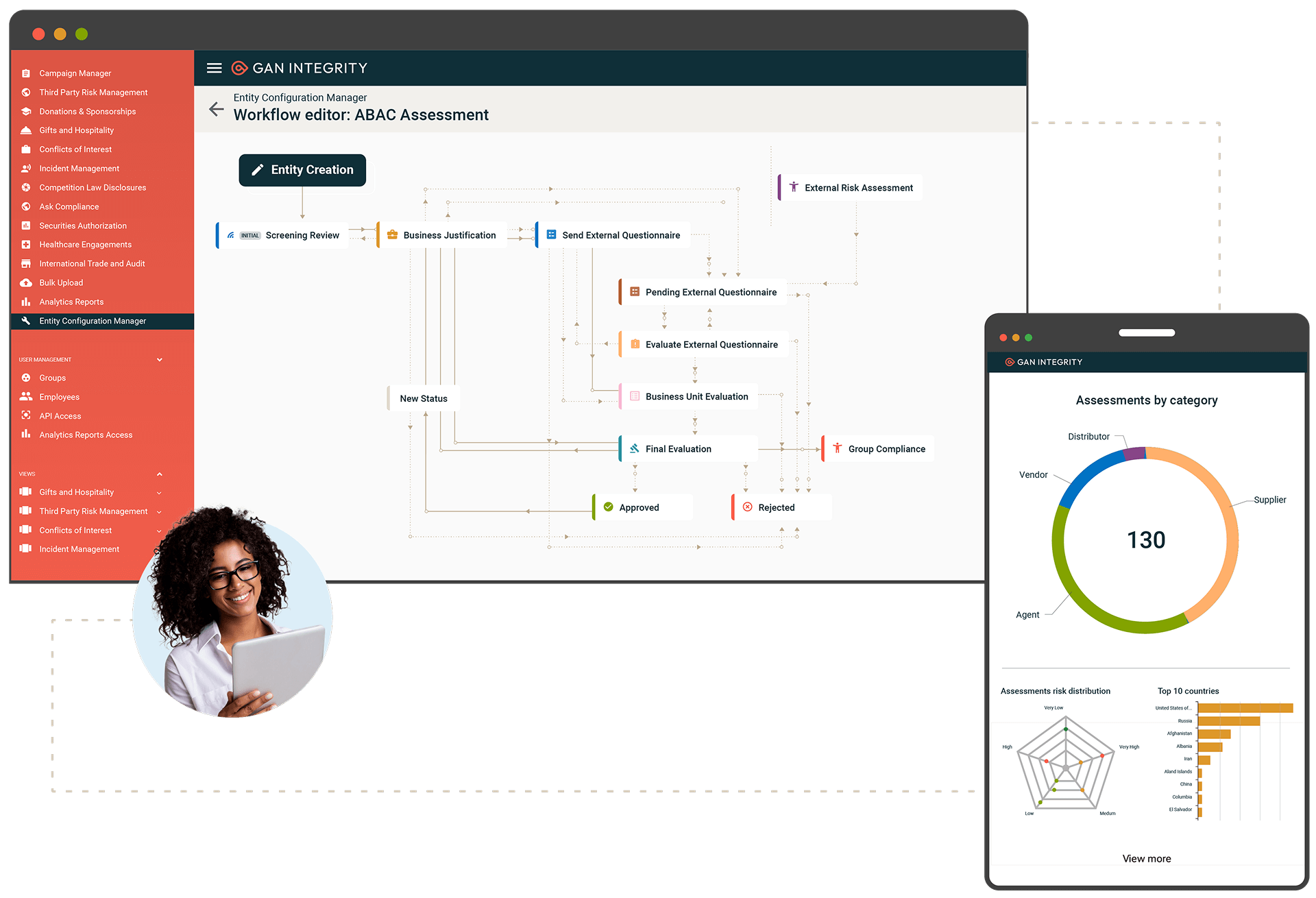
GAN Integrity helps consumer goods companies navigate these challenges with a unified, easy-to-use compliance platform that organizes requirements, automates tasks, and provides powerful reporting, making it easier for you to do your good work. With GAN Integrity, compliance teams can see everything, adapt to anything, and get all the help they need.

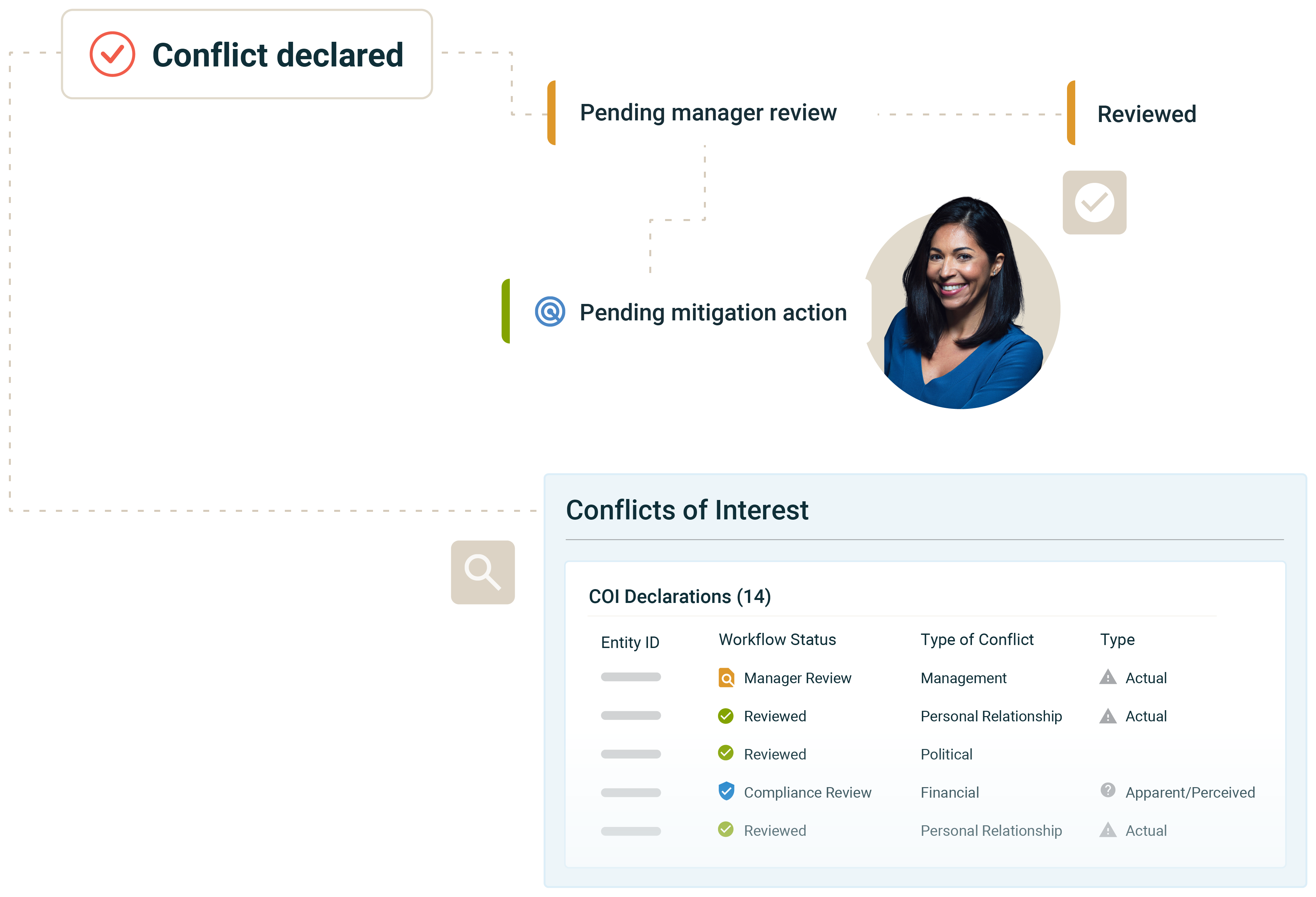
ABAC Program Management

ABAC Program Management

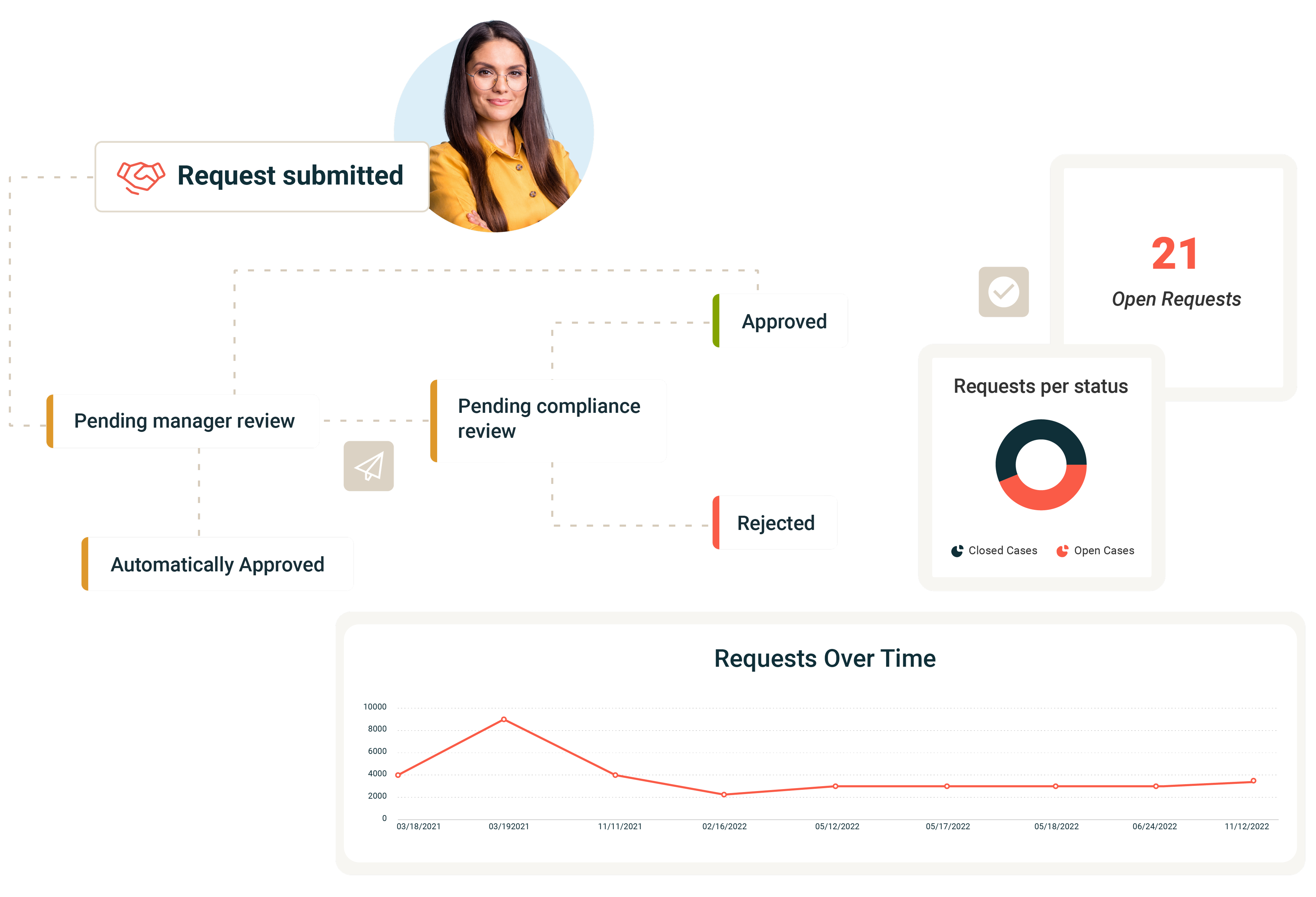
Gifts and Entertainment

Gifts and Entertainment

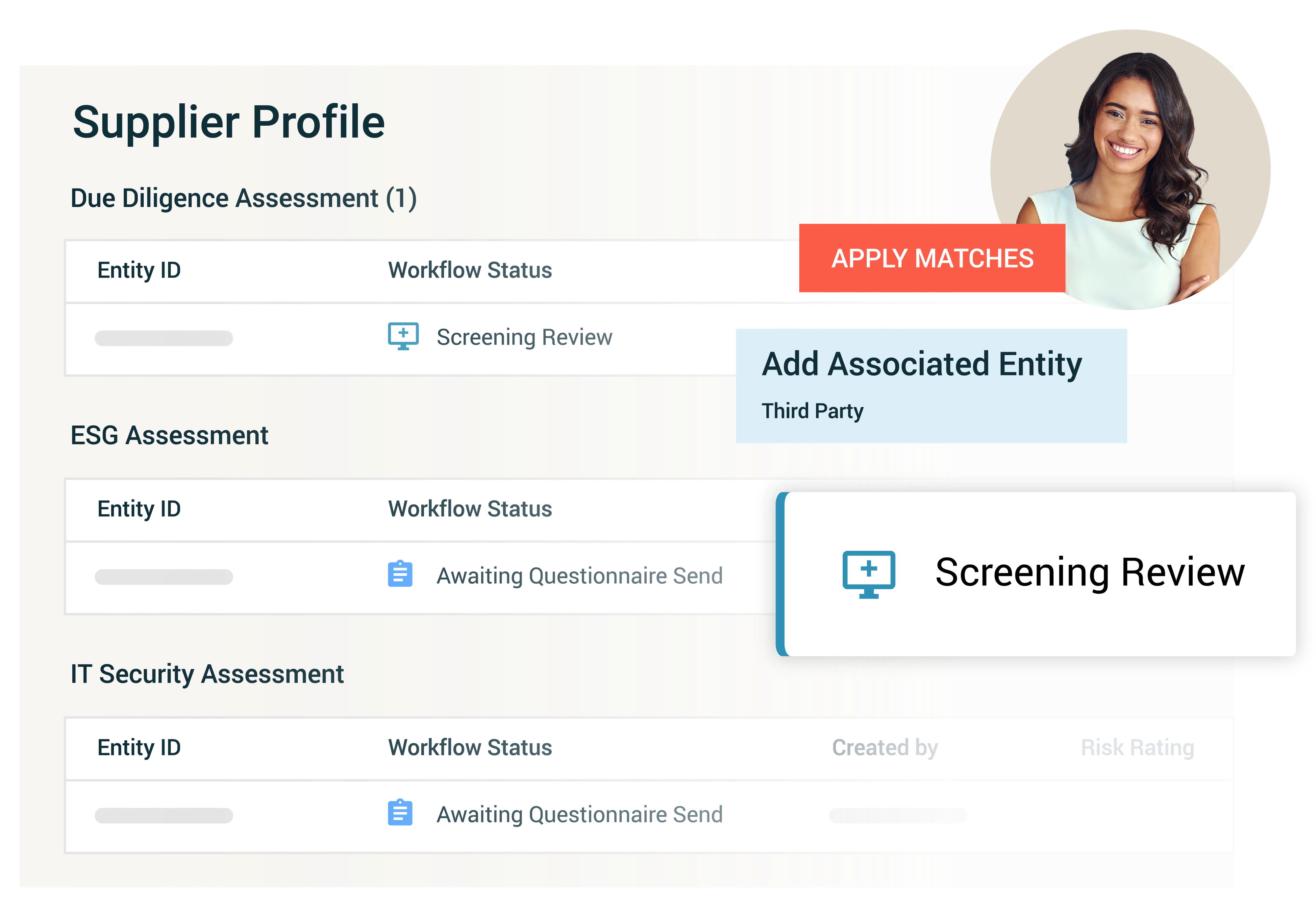
Supply Chain Due Diligence

Supply Chain Due Diligence

Disclosure Management

Disclosure Management

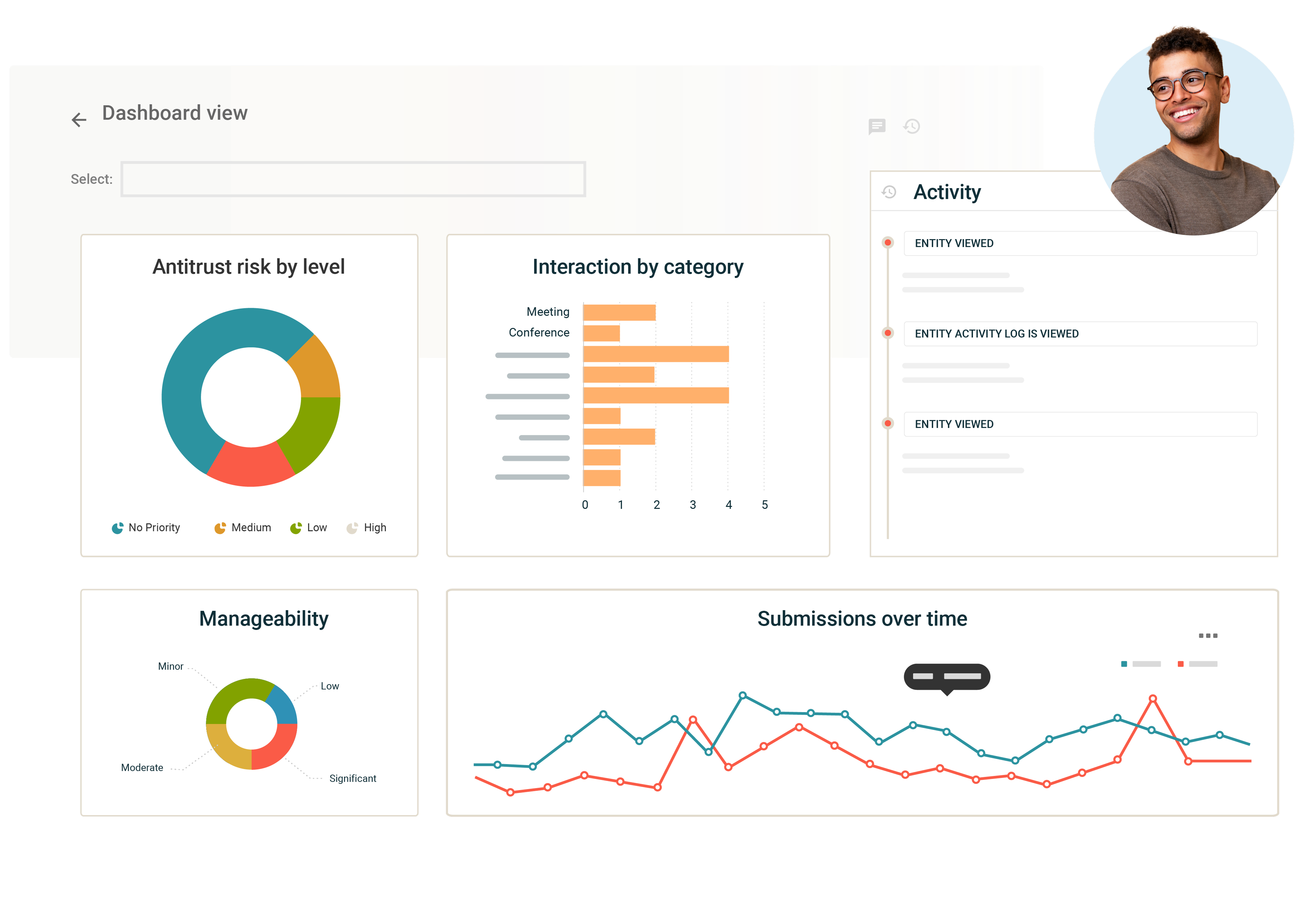
Reporting and Documentation
Reporting and Documentation

Frequently Asked Questions

What is product compliance?

Product compliance in the consumer goods industry involves ensuring that products meet safety standards, regulatory requirements, and consumer protection guidelines across multiple jurisdictions. It encompasses adhering to regulations such as the EU's General Product Safety Directive (GPSD) and implementing measures to guarantee product safety, traceability, and reliability throughout the supply chain.

What is the product safety compliance program?

A product safety compliance program is a comprehensive system designed to ensure that consumer goods meet regulatory standards and protect consumers from potential hazards across multiple product categories. It typically involves implementing processes to meet obligations set by regulations, conducting thorough risk assessments, and maintaining documentation to demonstrate compliance with relevant safety standards.

How do you ensure product compliance?

To ensure product compliance, consumer goods companies must implement comprehensive risk assessment processes and establish robust monitoring systems. This involves adhering to regulations such as the EU's General Product Safety Directive (GPSD) and the Food Safety Modernization Act (FSMA), while also maintaining thorough documentation and conducting regular audits to verify compliance with safety standards and legal requirements.

Ready for better?

Receive a personalized demo.

Schedule your personalized demo of our solutions to start your journey toward a better way to unify ethics, compliance, and risk management across your enterprise.